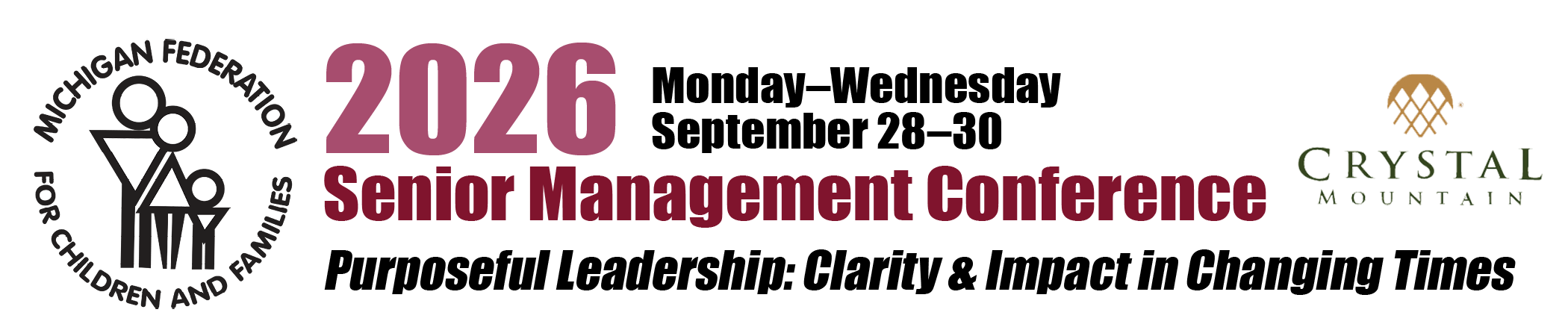
In a time of constant change, effective leadership requires more than adaptation, it requires purpose. This year's conference will focus on how leaders can create clarity, inspire action, and strengthen impact within their organizations and communities. Through keynote presentations, breakout sessions, and peer learning opportunities, attendees will gain practical strategies for leading with confidence and purpose in an evolving landscape.
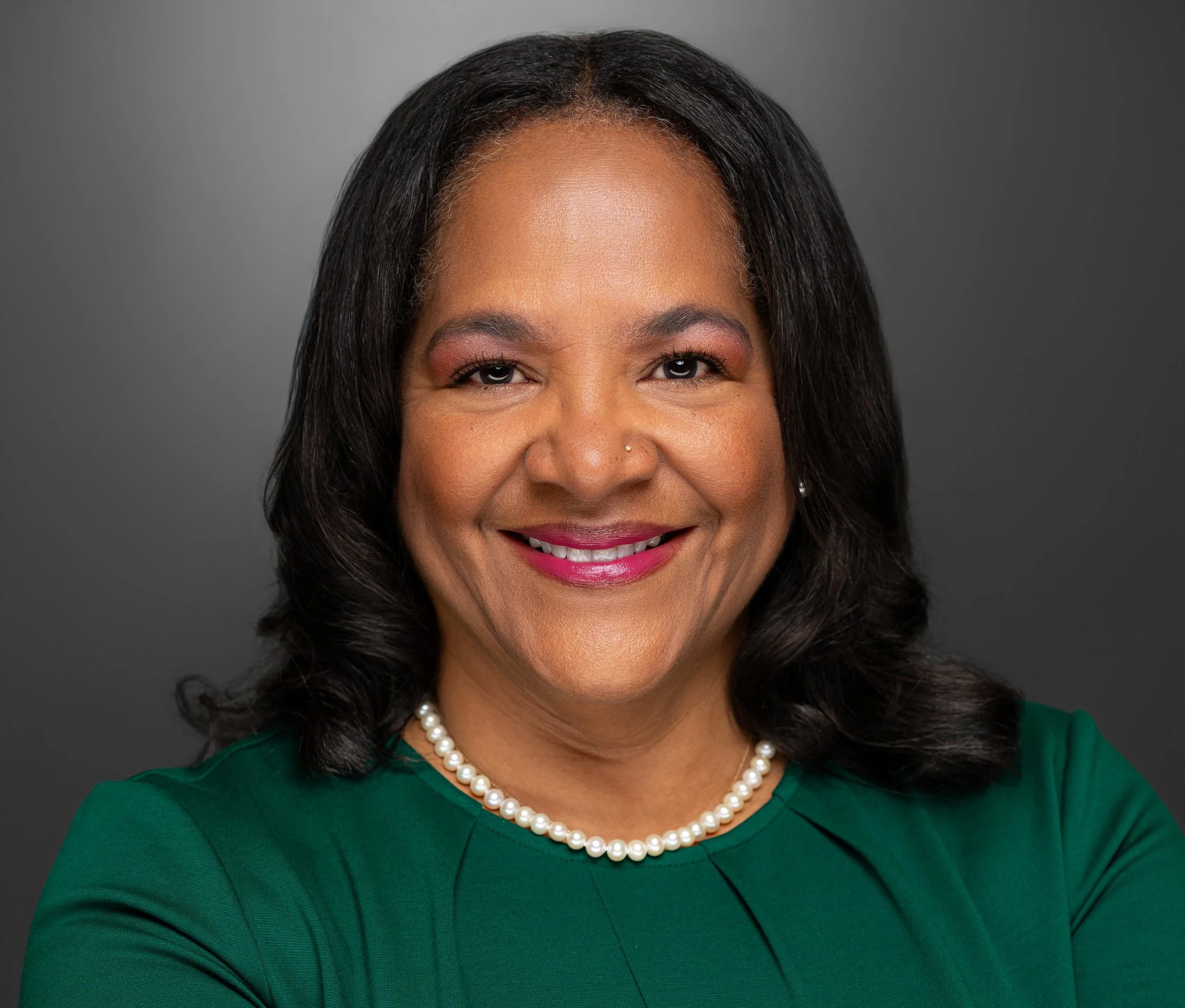
OPENING KEYNOTE SPEAKER | Renée Branch Hill, PhD!
KEYNOTE: Room at the Table: Equity Leaders Advancing Health for All
What does it mean to lead in the face of disruption and change? Equity leaders are called upon to stand up, speak up and drive change for the good of all. Highlighting key concepts from the book “Room At the Table: A Leaders Guide for Advancing Equity and Justice”, this interactive keynote will present a reflective journey of equity leadership that is relevant to all health and human services professionals, introducing frameworks for self-reflection, critical thinking, and strategies to bridge relationships that transform practices and services.
Renée Branch Hill, PhD, MPA is widely known as an outstanding public health advocate, leader, educator, and facilitator. She serves as CEO of MPHI, a nationally engaged public health institute located in Michigan where she initiated their mission to center equity and promote well-being for all. Dr. Hill is a relationship-driven leader and author of “Room at the Table: A Leader’s Guide to Advancing Health Equity and Justice.” In this well-received book, Hill presents a leadership challenge to everyone seeking to understand the intricacies of leading across difference, pushing others to become change agents within health/public health and other fields. She is an adjunct faculty member in the CSM Department of Public Health at Michigan State University, having held past full time appointments in that Department as well as the MSU College of Nursing.
GENERAL SESSIONS
-
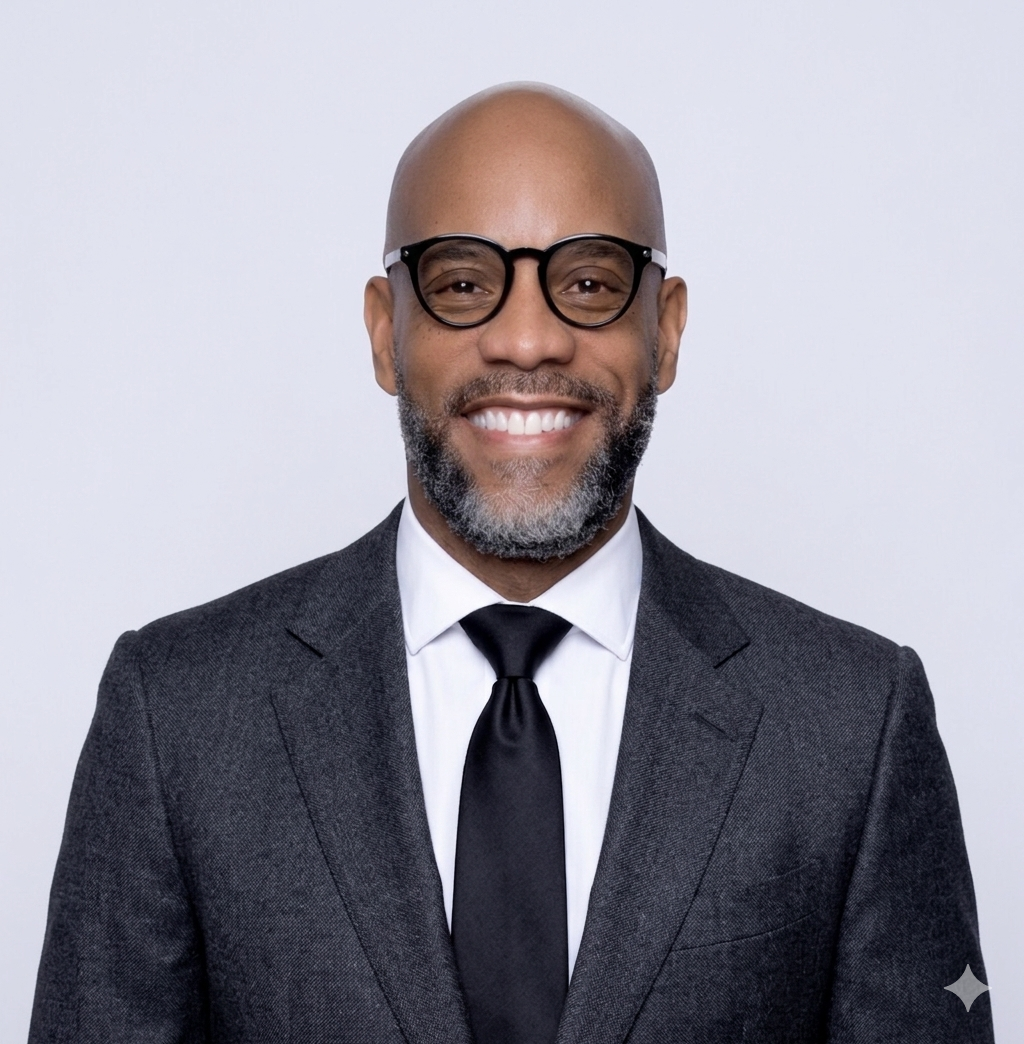
Policy, Advocacy, and Partnership: Tools for Agency Leaders | Paul Elam, Chief Strategy Officer, MPHI, PhD
Nonprofit and community agency leaders operate in an environment where public policy decisions shape funding streams, regulatory expectations, and the communities they serve. Yet many organizations struggle to translate their mission and on-the-ground expertise into effective advocacy that influences policy decisions. This session will equip agency leaders with practical strategies to navigate the intersection of policy, advocacy, and partnership, and to strengthen their organization’s ability to influence decisions that affect their work and the people they serve. In this engaging and practical session, Dr. Paul Elam will draw on his experience working at the intersection of public health, public policy, and community partnerships to provide leaders with real-world tools for effective advocacy. Participants will explore how nonprofit organizations can responsibly and strategically engage in advocacy while maintaining their mission focus and strengthening relationships with policymakers. A key focus of the session will be building productive partnerships with legislators and policymakers. Participants will learn strategies for establishing and maintaining relationships with elected officials and their staff, positioning their organizations as trusted sources of community insight, and communicating the real-world impact of policy decisions on communities across Michigan. The session will also address how agency leaders can effectively engage their boards, staff, and community stakeholders in advocacy efforts. Many nonprofit boards recognize the importance of policy engagement but lack clarity about their role in advocacy. Another important component of the session will focus on the impact of governmental policy decisions on Michigan’s nonprofit sector. Changes in governmental priorities, funding structures, and regulatory frameworks can have immediate and long-term implications for nonprofit agencies and the communities they serve.
-
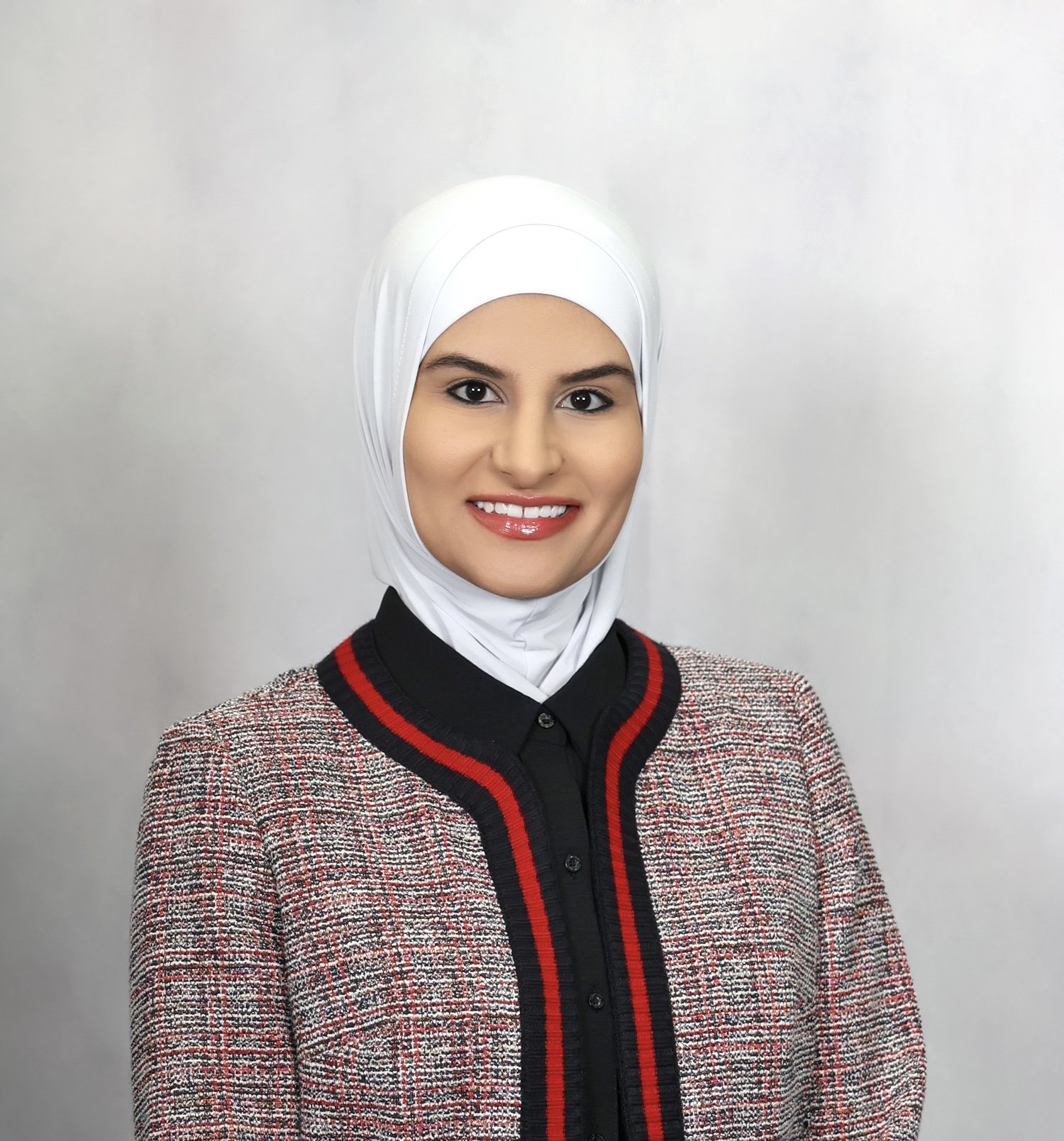
Reclaiming Balance: Trauma-Informed Leadership Strategies to Prevent Burnout and Compassion Fatigue | Hawra Khraizat, LMSW, MA
In today’s high-demand professional environments—especially in healthcare, social services, and other helping professions—leaders and staff face intense emotional and physical pressures. Exposure to human suffering, heavy workloads, and limited organizational support can create burnout and compassion fatigue, also known as secondary traumatic stress. These experiences affect personal well-being, workplace performance, and team morale. Reclaiming Balance: Trauma-Informed Leadership Strategies to Prevent Burnout and Compassion Fatigue provides practical, actionable strategies for addressing these challenges in everyday professional life. Participants explore the signs of compassion fatigue, such as emotional exhaustion, irritability, difficulty empathizing, and self-doubt, as well as the indicators of burnout, including chronic fatigue, detachment, reduced motivation, and cynicism. This session emphasizes tools for resilience, self-care, and mindful leadership. Participants engage in strategies to set emotional boundaries, practice mindfulness, reframe negative thoughts, and reconnect with their professional purpose. Reclaiming Balance inspires professionals to thrive in demanding environments, embrace sustainable self-care, and lead with clarity, compassion, and confidence. Participants feel empowered to transform challenges into opportunities for growth, connection, and lasting workplace well-being.
-
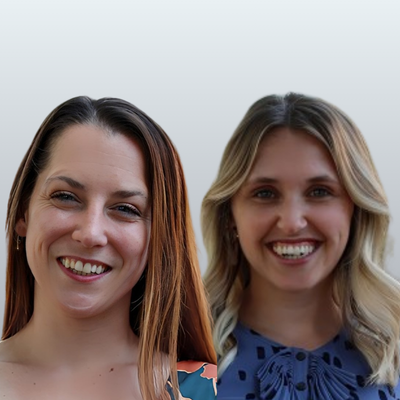
Operationalizing Trauma-Informed Leadership in Performance Management | Shannon Fisch & Kiera McGillivray, Brain Science Training Institute
When trauma-informed care is misapplied, compassion can unintentionally become permission, and team functioning can suffer. Helping professionals often come to the workplace with their own stressors and possible adversities, and are also routinely exposed to secondary trauma. Leaders increasingly recognize the impact of trauma and stress on both staff and clients. Supervisors and managers are therefore asked to hold two truths at once: employees deserve empathy and support, and organizations must maintain clear expectations, fair and sustainable workloads, and consistent standards of practice. Most trauma-informed care models provide guidance for client engagement and for building a trauma-responsive workplace culture, yet offer limited direction for day-to-day supervision and performance management. In the absence of a practical framework, well-intentioned leaders may avoid difficult conversations, over-accommodate, or apply expectations inconsistently, leaving teams strained, boundaries unclear, and performance concerns unresolved. This workshop introduces Trauma-Informed Performance Management, a structured, values-aligned approach that integrates trauma-responsive principles with accountability and skill-building. Participants will examine how to use trauma-informed strategies in supervision without lowering standards, including how to communicate expectations with clarity, differentiate support needs from performance requirements, and respond to challenges in ways that protect psychological safety while driving improvement. Interactive activities and table discussions will help attendees translate concepts into supervision language and practical next steps they can apply immediately.
GENERAL SESSIONS
-

Clarity Is Kind: Accountability Is Essential | Joseph Rotella, CVO, Delphia Consulting
Accountability is often framed as a people problem: missed deadlines, inconsistent performance, or lack of ownership. In reality, most accountability breakdowns stem from unclear expectations, invisible commitments, and inconsistent follow-up. When clarity is missing, accountability quietly erodes, even on capable, well-intentioned teams.This session reframes accountability as a system design issue rather than a personality or motivation problem. Drawing on organizational psychology and leadership research, participants will explore how ambiguity increases anxiety, disengagement, and rework, particularly in hybrid and fast-changing environments where informal checkpoints are fewer and assumptions multiply. Participants will examine common phrases and habits that unintentionally create confusion, such as “use your judgment” or “let’s see how it goes,” and why managers often avoid clarity despite good intentions. The session also challenges the micromanagement myth, showing how predictable, lightweight follow-up improves alignment without creating control or surveillance. Rather than focusing on enforcement, this session emphasizes designing work for clarity and follow-through. Attendees will learn how effective accountability shows up between conversations through visible commitments, shared understanding of what “done” looks like, and regular check-ins that normalize progress updates and course correction. The session concludes with practical frameworks leaders can use immediately to reduce accountability drift, handle missed commitments without blame, and build trust through consistent expectations. Participants will leave with language, questions, and structures that support accountability as an act of care, not pressure, and clarity as a leadership responsibility, not a personality trait.
-

Leading with Purpose: Workforce Retention and Leadership Strategies for Mission-Driven Organizations | Mariah Manuel-Berry, Founder & CEO, Knowledge Career Experts
Nonprofit and human service organizations are facing unprecedented workforce challenges, including high turnover, staff burnout, and increased service demands. Leaders must balance operational effectiveness with the emotional and professional needs of their teams while continuing to serve children and families with excellence. This session will provide practical, research-informed strategies to help senior leaders strengthen workforce retention, improve organizational culture, and lead with purpose in complex and high-pressure environments. Participants will explore how leadership style, communication, and workplace systems directly influence staff engagement and long-term retention. The presentation will focus on building trust-based leadership practices, aligning mission and vision with daily operations, and implementing workforce strategies that support both performance and well-being. Attendees will gain tools to assess their current workforce challenges and identify opportunities to improve recruitment, retention, and professional development within their organizations. Through real-world examples and interactive discussion, this session will address managing a multi-generational workforce, fostering psychological safety, and promoting accountability without contributing to burnout. Leaders will learn how to create supportive structures that encourage growth, strengthen team cohesion, and sustain motivation during periods of change or crisis. Special attention will be given to the unique demands placed on nonprofit leaders serving vulnerable populations and how intentional leadership can improve staff stability and service outcomes. This session is designed for CEOs, senior managers, and leadership teams seeking practical tools to enhance workforce sustainability while maintaining a strong commitment to service excellence. Attendees will leave equipped with clear leadership strategies that support both organizational performance and the well-being of the workforce serving children and families across Michigan.
-

PANEL: University Partnerships and Preparing the Workforce
This session will explore how universities and community-based organizations are working together to prepare the next generation of leaders and practitioners in child and family services. The panel will highlight innovative collaborations that support workforce development, including field placements, internships, research partnerships, and career pathway programs.
PANELISTS:
Moderator: Brian Philson, President/CEO, Highfields, Inc.
Dr. Carrie Moylan, Director, Michigan State University, School of Social Work
Carlynn Nichols, Chief Clinical Officer, CNS Healthcare
Sarah Wasil, Program Officer, Michigan Health Endowment Fund
Sean de Four, President/CEO, MiSide
BREAKOUT SESSIONS
-
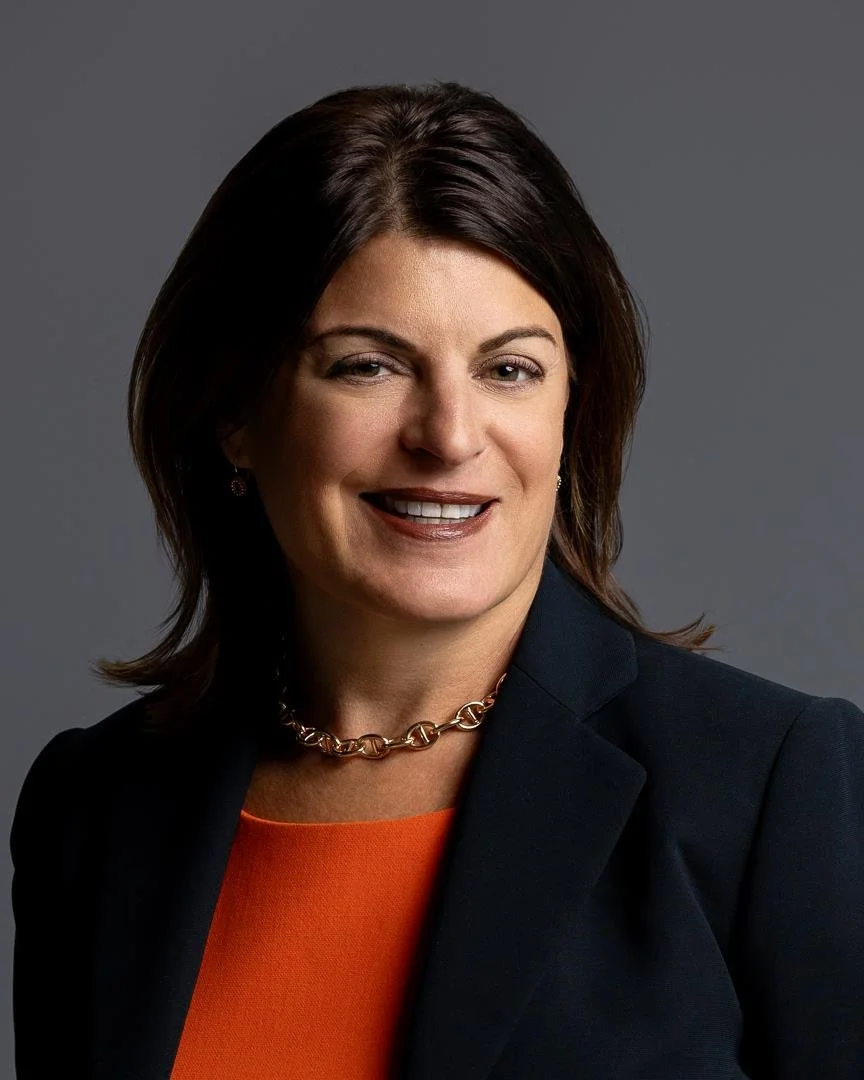
Leading from the Top: Governance, Strategy, and Board Excellence | Christina Gullo, Co-owner & Partner, True North Executive Solutions
Nonprofit leaders are facing increasing complexity: greater accountability, limited resources, and rising expectations from boards, funders, staff, and communities. This session is designed to be highly practical and immediately relevant, offering real-world tools that leaders can use right away to strengthen governance, improve board effectiveness, and align leadership around what matters most. Rather than focusing on theory, the session addresses the everyday realities of nonprofit leadership: unclear roles between boards and executives, meetings that consume time without advancing strategy, uneven board engagement, and gaps in leadership succession. Attendees will gain clear, actionable guidance on how to sharpen role clarity, structure more effective board meetings, and ensure board time is focused on strategy, oversight, and mission impact—not operations. Participants will leave with practical frameworks and examples, including ways to streamline meetings through consent agendas, clarify expectations for board members, strengthen committee work, and build a productive board–CEO partnership. The session also explores how to create a board culture that encourages participation, accountability, and shared ownership, while preparing the organization for future leadership transitions. Grounded in lived nonprofit experience, this session respects the real constraints leaders face. Tools and strategies are adaptable across organizations of different sizes and missions and are designed to reduce friction, not add more work. Attendees will leave with clarity, confidence, and concrete next steps they can implement within 90 days, making leadership and governance more effective, more strategic, and more sustainable.
-

Designing Systems With Families: Human-Centered Innovation in Practice | Cheri Williams, Co-Founder & Chief Program Officer, Imagination Factory & Alisa Otto, Executive Leader
Nonprofit leaders across Michigan are increasingly called to innovate in response to complex challenges facing children and families. Yet many programs and services are still designed primarily within organizational walls, often without the full participation of the communities they intend to support.Human-centered design and co-creation offer a powerful alternative. These approaches position families, community members, and frontline practitioners as partners in designing solutions, rather than recipients of services developed on their behalf.This session explores how organizations can apply human-centered design and co-design methods to reimagine programs and services in partnership with the communities they serve. Drawing on lessons from Rooted, a national housing innovation championed by Imagination Factory and Samaritas, presenters will share how organizations have partnered with parents and community members to identify challenges, generate ideas, and co-design solutions together.Storytelling through impacted parents’ perspectives will be centered, and participants will hear directly from the senior nonprofit leader who designed the framework to scale this human-centered approach across multiple states. The audience will also hear from an executive who will continue to scale this housing approach nationally. Through real-world examples across multiple states, participants will learn how human-centered design methods such as deep listening, journey mapping, and collaborative prototyping can surface insights that traditional planning processes often miss.The session will also explore how co-design not only improves program relevance and effectiveness but can transform organizational culture. When staff collaborate with families as partners in innovation, they often rediscover a deeper connection to purpose, creativity, and impact.Through case study discussion, small-group reflection, and practical action planning, participants will identify concrete ways to begin embedding co-design practices within their own organizations.
-

From Engagement to Influence: Partnering with Lived Experience Leaders to Strengthen Advocacy and Policy Impact | Cindy Reed, National Youth Engagement Manager for the QIC-EY, The Baker Center for Children and Families & Anna Brown, QIC-EY Program Coordinator, Spaulding for Children
Provider agencies play an important role in shaping public policy that affects children, families, and communities. Many organizations want to partner with people who have lived experience but struggle to move beyond short-term consultation toward meaningful, lasting collaboration. This session offers senior leaders practical guidance for building the systems needed to support strong advocacy partnerships. Participants will learn how to clarify decision-making roles, design supportive structures, provide fair compensation, and manage organizational risk. Real-world examples will show how preparation, supervision, and trauma-informed practices improve both policy impact and organizational credibility. Through discussion and hands-on reflection, leaders will assess their organization’s readiness and identify concrete steps to strengthen advocacy efforts. Attendees will leave with tools they can use within the next year to elevate client and family voices in legislative strategy, stakeholder engagement, and systems reform. This session delivers actionable content for CEOs and senior managers seeking to strengthen leadership, deepen advocacy impact, and better serve their communities.
BREAKOUT SESSIONS
-

Community First, Visibility Always: Outreach & Marketing Strategies for Nonprofit Leaders | Nancy Gandelot Spearman, Chief Marketing and Outreach Officer & Cara Johnson, Marketing and Outreach Manager, CNS Healthcare
Nonprofit leaders serving children operate in an increasingly competitive and resource constrained environment. Beyond delivering high-quality programs, executives must ensure their organizations remain visible, trusted, and financially sustainable. Strategic outreach and marketing are essential to advancing impact, strengthening referral pipelines, engaging donors, and deepening community partnerships. This interactive session provides a practical, executive-level overview of cost-effective outreach and marketing strategies tailored specifically for child-serving organizations. Led by seasoned marketing and outreach professionals with more than 50 years of combined experience across nonprofit and for-profit sectors, participants will develop a customized outreach and visibility action plan aligned with their organization’s mission, capacity, and growth goals. Together, we will explore critical questions such as: Where are your referrals / grants / funding coming from, and how could you diversify?, Who are your priority audiences (families, schools, funders, community partners, policymakers)?, What differentiates your organization- what’s your “why”?, Is your brand and messaging clearly communicating outcomes and impact? Participants will examine how visibility, community partnerships, and consistent messaging can strengthen brand trust and long-term sustainability. In addition, this session highlights practical, low- and no-cost tools that can significantly expand organizational visibility—including Google Ad Grants, social media strategy, website optimization, Google Business Profiles, and other accessible digital resources. Leaders will leave with clear guidance on prioritizing tools that match their organizational capacity and growth stage.
-
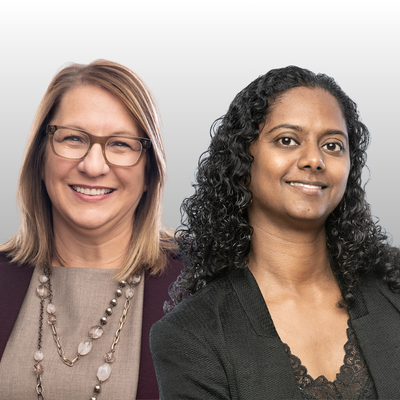
Buckeyes, Wolverines, and a Changing Field: Ohio’s New Playbook for Children’s Behavioral Health | Vickie Thompson-Sandy, President & CEO & Christina Massey, Executive Vice President, Programs and Services, The Buckeye Ranch
Ohio’s children’s behavioral health system is moving fast—and the leaders who understand what’s changing (and why) will be best positioned to protect access, stabilize operations, and partner effectively across payers, providers, and child-serving systems. This session traces Ohio’s transformation from the 2019 behavioral health redesign to the launch of OhioRISE (Resilience through Integrated Systems and Excellence), in July 2022 to wrap children with complex needs in coordinated, cross-system care spanning behavioral health, developmental disabilities, and juvenile justice. You’ll hear an on-the-ground leadership perspective from The Buckeye Ranch—home to Ohio’s first Psychiatric Residential Treatment Facility opened under OhioRISE in November 2023—at a time when OhioRISE served roughly 28,000 enrolled children. We’ll discuss what it took to launch, what we learned quickly, and what CEOs should anticipate as specialized services scale. We’ll also connect OhioRISE to the broader crisis continuum. In 2025, Governor DeWine and the Ohio Department of Mental Health and Addiction Services announced statewide expansion of Mobile Response and Stabilization Services (MRSS), bringing rapid, in-person crisis response—and follow-up care—within 60 minutes across all 88 counties. Looking ahead to January 2027, Ohio will open six Child Wellness Centers—short-term, safe settings where youth can be assessed and connected to the right level of care, whether they are at risk of entering custody or already involved with child welfare. The Buckeye Ranch has been awarded one of the six centers and will operate a 10-bed program. We’ll close with practical CEO-level takeaways: how to align strategy to a rapidly evolving children’s system, where to invest (and what to stop doing), and how to build partnerships that improve access while strengthening financial and clinical sustainability.
-
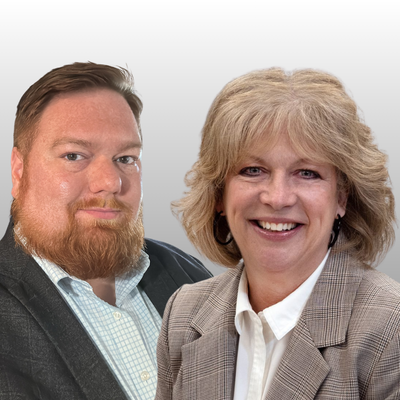
Poverty Solutions in Your Town: Michigan Community Action | Brian Doyle, Resource Development Specialist, Michigan Community Action & Kerry Baughman, Executive Director, Northwest Michigan Community Action Agency NMCAA
For more than 60 years, Michigan’s Community Action Agencies have advanced equitable, community centered solutions to reduce poverty and strengthen economic mobility. Creating a stable foundation for individuals and families to grow and thrive. This session will explore how Community Action Agencies serve Michigan’s statewide anti-poverty network combining data-informed strategies, trusted community relationships, and scalable service delivery. The power of our state-wide network, and our deep relationships within the communities we serve are key to our success. Attendees will gain insight into our organization, programming, advocacy, and partnerships that maximize the effects of our poverty fighting programs and advocate for a thriving and vibrant Michigan for all.
'Ted Talk' Style Presentations answering, What is Your Big Idea in Action?
-
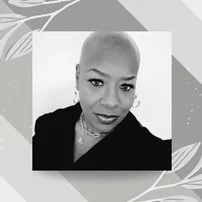
Protective Factor for Leaders - We Matter Too!
This presentation centers on the importance of creating space for leaders to protect and sustain themselves while they pour into others. Too often, leadership is rooted in constant giving, leaving little room for reflection, restoration, or personal care. The Strengthening Families Framework teaches us that protective factors help families thrive, prevent burnout, and build resilience. But what if leaders need protective factors too?
Using the familiar airplane oxygen mask analogy, participants will be challenged to reconsider the belief that self-care is selfish and instead embrace the reality that effective leadership requires intentional self-preservation. Drawing parallels to the original Strengthening Families Protective Factors of parental resilience, social connections, knowledge and competence, and concrete support, this presentation reminds leaders that sustainable leadership begins with caring for themselves first. When leaders prioritize their own well-being, they strengthen their capacity to serve others, make sound decisions, foster healthy workplace cultures, and create lasting impact.
PRESENTER: Annetra Jones, Statewide Director of Family Preservation, Samaritas
-
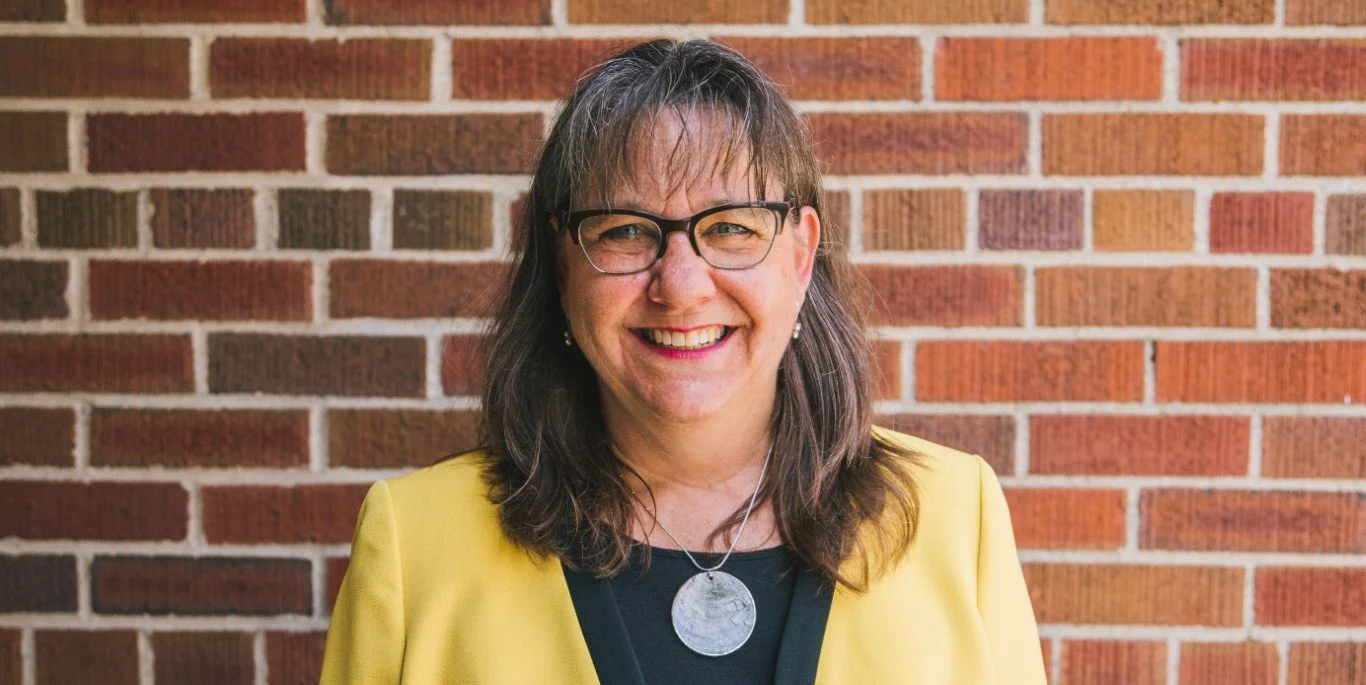
Serve People, Not Paperwork: Restoring the Soul of Child Welfare
Child welfare caseworkers enter this field to serve people: to walk alongside frightened children, support struggling families, and fight for permanency. But the system has buried them under an avalanche of documentation, compliance mandates, and administrative burden so heavy that they spend up to 80% of their time at a desk instead of in a home. The result is a workforce that burns out fast, turns over at rates of 30–40% annually, and leaves children cycling through multiple caseworkers, a pattern that research proves directly reduces the odds a child ever achieves a permanent, loving family. The big idea of this talk is that this crisis is not inevitable, it is solvable. When AI-powered technology absorbs the paperwork, auto-fills the forms, tracks compliance deadlines, and guides workers in real time, caseworkers get their professional time back. And when caseworkers stay longer, build deeper relationships, and focus on the human work they were trained to do, children achieve permanency at dramatically higher rates. Technology doesn't replace the caseworker, it protects everything that makes a caseworker irreplaceable.
PRESENTER: Laura Mitchell LLC, Child Welfare Consultant
-
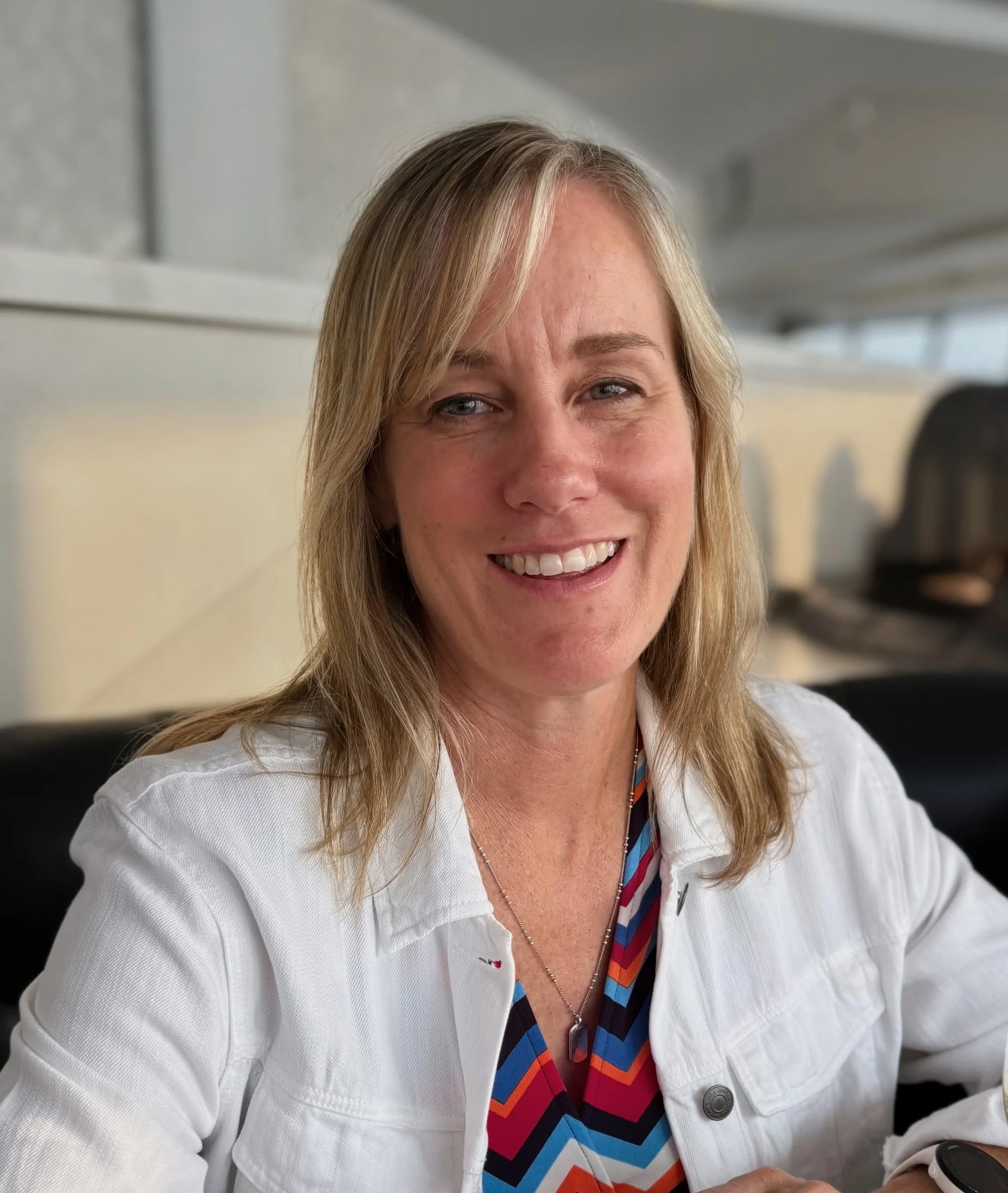
The Significance of Perspective
It is critical to know who you are hiring, however; our hiring processes often only allow us a very distant and superficial view of people we are considering. We all know that a problematic hire in any role can cause damage to an agency's goals, processes and ultimately, the care clients receive. Hiring an inadequately prepared person for a supervisory or other leadership role can cause long-reaching subtle and overt harm to an organization from inefficiencies and poor communication to more extreme issues that result in a toxic work environment.
I will be encouraging people to think about how shifting perspectives regarding potential hires and current staff impact decisions about filling positions and where they work in the organization. We will explore the importance of awareness about our perspectives on people and look at where those come from, while also considering how willing both the people hiring staff and the leadership team are to broaden or shift their perspectives about who works for them, what they contribute and where they might best serve the agency.
PRESENTER: Jennifer Milliman, LMSW, ACSW - Clinical Social Worker and Executive Director and one of the founders of Fostering Futures
-
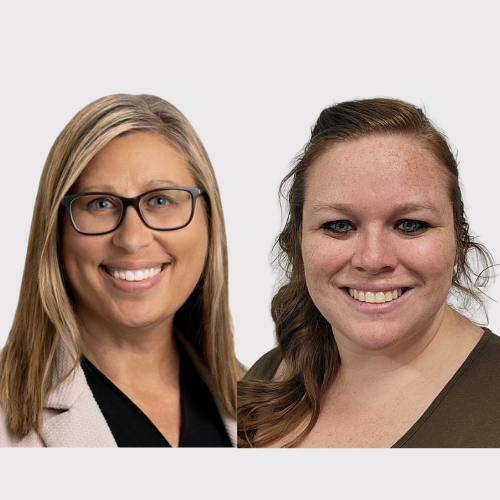
W-holistic: A 2Gen Approach to Serving Families, Sustaining Ourselves
What if the key to stronger families is also the key to a stronger workforce? This session explores the Two-Generation (2Gen) approach to family preservation services, one that intentionally supports children and caregivers together rather than treating their needs as separate tracks.
Drawing on Michigan's participation in national 2Gen working sessions and delegation experiences, this talk shares what we learned, how those lessons have shaped local practice and systems change, and what a truly "w-holistic" approach looks like in action. We'll look at practical ways to weave 2Gen principles into daily service delivery, team decision-making, and family engagement.
We'll also make the case for a connection that often goes unspoken: when staff engage in collaborative, family-centered work, they don't just serve families better, they find more purpose and satisfaction in their own work too. Using real outcomes from Michigan's Family Preservation programs, this session closes with a challenge: where can each of us go further in embedding a 2Gen mindset, for families, for staff, and for the future of this work?
PRESENTERS: Laura Donker, Program Officer, Orchards Children's Services and Aryn Manni, Statewide Preservation Program Manager, Samaritas